

Key Takeaways
Why convenience foods feel cheaper than they are
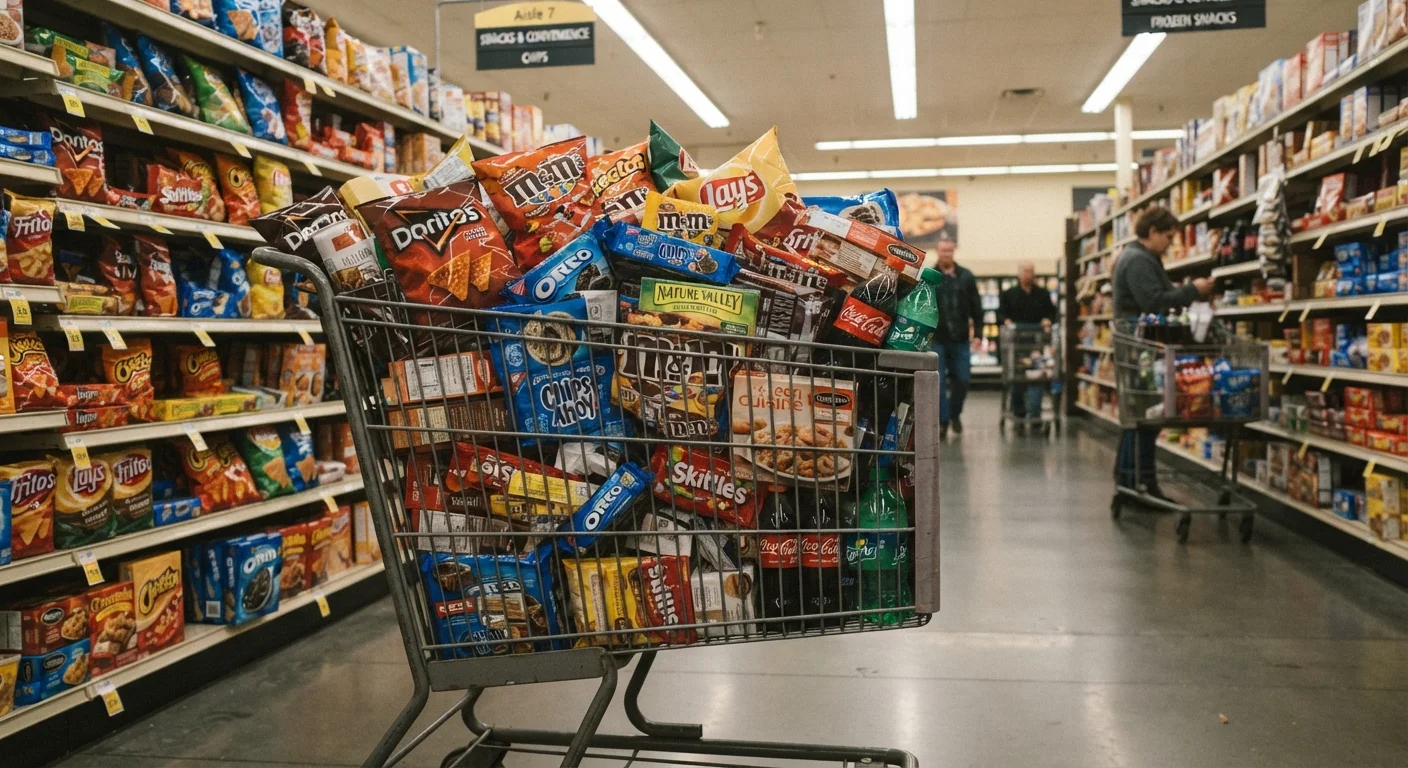
A single unit price rarely tells the whole story. A box of individually portioned crackers, a bag of pre-cut vegetables, or a frozen entree each looks affordable in isolation. The problem appears when a family buys several of these items per shopping trip, every week, across an entire month. The cumulative total can rival what a family might spend on staple ingredients for a week of meals.
Per-serving math is the clearest way to see the gap. Pre-shredded cheese costs meaningfully more per ounce than a block, and single-serve yogurt cups can cost twice what a large plain container costs per serving. Families who are watching grocery spending can find a useful starting point in building meals around affordable staples, which shows how whole foods stretch further without sacrificing nutrition.
Time pressure is the main reason families lean on convenience items, and that pressure is real. The fix is not to eliminate convenience entirely but to identify which specific products are absorbing the most budget relative to the time they actually save.
Judging affordability by the unit price alone without comparing cost per serving to a home-prepared version.
Why it happens: Unit prices are prominently displayed and feel like a direct comparison point, but they obscure how many servings a package actually contains versus what a base ingredient would yield.
Treating daily small convenience purchases as too minor to budget for, so they never appear in a spending plan.
Why it happens: Individual items cost a dollar or two, which feels negligible. The pattern only becomes visible when those purchases are totaled across a month.
Replacing one staple with a convenience version without adjusting the overall grocery budget to account for the higher per-serving cost.
Why it happens: The swap feels like a lateral move because the item fills the same role in a meal. The price difference per serving is easy to overlook when buying one item at a time.
Buying convenience items on sale and assuming the discount makes them cost-competitive with whole-food alternatives.
Why it happens: A discount feels like a win, and the sale price makes the packaged option look comparable to staples. But sale prices on processed foods rarely bring them down to the per-serving cost of raw ingredients.
Overlooking the satiety difference between convenience foods and whole-food meals, which can lead to buying more food overall.
Why it happens: Lower fiber and protein content in many processed foods means hunger returns sooner, prompting additional snacking or a larger portion of the convenience item to feel full.
The nutritional cost that runs alongside the financial one
Convenience foods are often engineered for shelf stability and palatability, which typically means higher sodium, more added sugar, and less fiber than home-prepared equivalents. Over time, a diet built heavily around these products can shift a family's nutritional baseline in ways that affect energy, weight, and long-term health. This is general information, not medical advice; anyone with specific health concerns should consult a qualified healthcare professional.
70%+
Share of U.S. calories from ultra-processed foods
Research published in journals including the BMJ has estimated that ultra-processed foods account for a large majority of calories consumed by many American households, particularly children.
2-4x
Convenience food markup over home-prepared equivalents
Consumer and nutrition researchers have consistently found that pre-portioned or pre-prepared packaged products carry a significant per-serving premium over equivalent home-cooked meals using whole ingredients.
3,400 mg
Average daily sodium intake for Americans
The U.S. Centers for Disease Control and Prevention reports that average American sodium intake substantially exceeds the Dietary Guidelines recommended limit of 2,300 mg per day, largely driven by packaged foods.
Sodium is one of the more measurable examples. The U.S. Food and Drug Administration notes that a significant portion of dietary sodium in American diets comes from packaged and processed foods rather than table salt added during cooking. Families who eat many convenience items per day can exceed recommended sodium levels without realizing it, because no single product looks alarming on its own.
The nutritional and financial costs reinforce each other. Foods lower in fiber and protein tend to be less satiating, which can drive more frequent snacking on additional packaged products. Nutritious food does not automatically cost more: whole grains, canned legumes, and seasonal produce can anchor meals at a lower cost per serving while delivering more fiber and fewer additives.
This article is for general informational and educational purposes only and is not medical or nutritional advice. Consult a qualified healthcare professional for guidance specific to your health situation.
Tracking spending to find where the money actually goes
Most families do not maintain a separate budget line for convenience foods. Those purchases blend into the overall grocery total, which makes the pattern invisible until the monthly bill is noticeably high. A practical first step is to separate convenience food spending from staples for two to four weeks. This means categorizing any pre-made, portioned, or processed item differently from raw ingredients, dairy, produce, and proteins in their whole form.
The exercise is not about creating guilt around food choices. It is about generating accurate data. Families who have done this kind of audit frequently report surprise at how much is going toward products that deliver modest time savings. For a broader look at where household budgets tend to fracture, common budget breakdown points offers a useful framework that applies well beyond grocery spending.
Once the data exists, families can prioritize. Some convenience items genuinely save significant preparation time and are worth the cost. Others are habit purchases that provide little practical benefit. Cutting the latter while keeping the former is a more sustainable approach than trying to eliminate all processed food at once. Families weighing bulk purchasing as an alternative can find a grounded comparison in bulk versus as-needed buying, which covers when each approach makes sense given real household constraints.