

Key Takeaways
Where the myth of expensive healthy eating comes from
The belief that nutritious food costs more is not entirely wrong, but it is much more conditional than the headline version suggests. It often originates from a direct comparison between the sticker price of fresh produce and the low unit cost of highly processed snacks or fast food. That comparison misses several factors: serving yield, caloric density relative to satiety, and what you stop buying when whole foods replace packaged ones.
Convenience foods carry costs that compound quietly. A household that replaces weeknight dinners with packaged meals or restaurant orders may spend two to three times more per meal than one cooking from scratch, even when the scratch ingredients are high-quality. Packaged foods often strain grocery budgets more than families realize, partly because they are easy to underestimate when purchased in small daily amounts.
Myth
Eating healthy always costs significantly more than eating processed or fast food.
Fact
The cost difference between a nutritious diet and a poor-quality one is smaller than most people assume, and in many categories, whole foods are cheaper per serving.
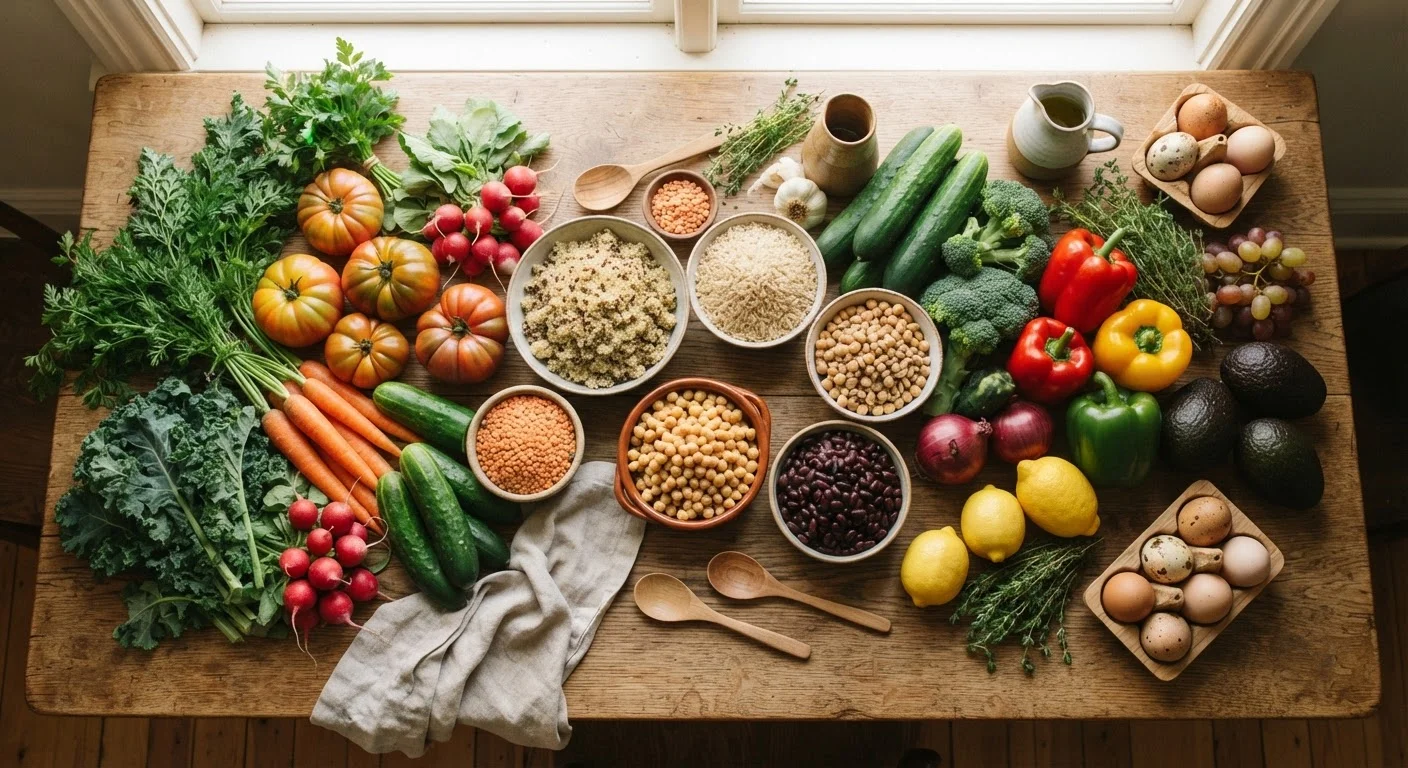
A widely cited analysis published in the journal BMJ Open found that healthier diets cost roughly $1.50 more per day per person than less healthy ones, on average. That figure is meaningful for tight budgets, but it is not the insurmountable gap many families expect. When meals are prepared at home using staples such as dried beans, lentils, oats, eggs, and frozen vegetables, the cost per serving often falls well below what a fast-food meal or packaged convenience product costs. The perception of expense is partly a comparison problem: people tend to compare the full shelf price of fresh produce against the unit cost of ultra-processed snacks, without accounting for preparation yield, satiety, or how many servings each item actually provides.
Myth
Fresh fruits and vegetables are too expensive for families on a budget.
Fact
Frozen and canned fruits and vegetables offer comparable nutrition to fresh at a fraction of the cost.
Produce is frozen or canned shortly after harvest, which preserves most vitamins and minerals. The U.S. Department of Agriculture has noted that nutrient retention in frozen vegetables is generally comparable to fresh, and in some cases higher after fresh produce has spent several days in transit and storage. Canned tomatoes, chickpeas, kidney beans, and corn are among the lowest-cost grocery items available, and they require no preparation beyond rinsing. Families who feel priced out of the produce section can build nutritionally adequate meals almost entirely from these shelf-stable options. Seasonal fresh produce, when available, adds variety at lower prices than out-of-season alternatives.
Myth
Protein sources that are good for you are expensive.
Fact
Eggs, canned fish, dried legumes, and plain yogurt are all high in protein and consistently among the least expensive foods by nutrition per dollar.
Chicken breast, grass-fed beef, and wild-caught salmon get attention as "healthy proteins," but they are far from the only options. A pound of dried lentils typically costs under $2 and yields many servings, each providing substantial protein and fiber. Eggs remain one of the most nutrient-dense foods available at a low per-unit cost. Canned tuna and canned sardines supply protein and omega-3 fatty acids at prices well below fresh fish. Plain, store-brand yogurt provides protein and probiotics at a much lower cost than specialty or flavored varieties. Combining these staples across a week of meals covers protein needs for most healthy adults and children without a large grocery bill. Always consult a healthcare provider or registered dietitian for guidance specific to any family member with particular nutritional needs.
Myth
Eating nutritiously takes too much time, so convenience food is the practical choice.
Fact
Several genuinely nutritious meals take under 30 minutes to prepare from inexpensive whole ingredients.
The time argument for convenience food is real but often overstated. A pot of lentil soup, scrambled eggs with frozen spinach, or a rice-and-bean bowl can be ready in less time than a delivery order takes to arrive. Batch cooking on one or two days per week reduces daily preparation time further, and whole grains like oats or brown rice cook with minimal active effort. Building meals around affordable staples becomes faster as the habit forms. The upfront time investment in learning a few simple techniques pays off in both lower grocery spending and less reliance on processed options.
Myth
Organic food is necessary for a healthy diet, and organic food is expensive.
Fact
Organic certification has no established nutritional superiority over conventional produce for most people, and choosing conventional whole foods is far more important than choosing organic.
The nutritional difference between organic and conventionally grown produce has not been shown to be significant in most peer-reviewed studies. Eating a wide variety of vegetables and fruits, organic or not, provides far more dietary benefit than skipping produce entirely to avoid pesticide concerns. Families who cannot afford organic have no nutritional reason to replace vegetables with processed alternatives. Washing conventional produce under running water removes much of any surface residue. The greater health risk for most American families is not eating enough produce at all, not the source of that produce.
What research actually shows about diet quality and cost
The evidence on diet cost is more nuanced than either "healthy eating is cheap" or "healthy eating is unaffordable." The gap in daily food cost between a high-quality diet and a low-quality one is real but modest for many households. That gap largely closes when families shift purchasing toward dried legumes, whole grains, eggs, canned produce, and seasonal vegetables rather than specialty health products or premium grocery brands.
~$1.50
Daily cost difference: healthy vs. unhealthy diet
A meta-analysis published in BMJ Open found that the healthiest dietary patterns cost approximately $1.50 more per person per day than the least healthy patterns.
30-40%
Estimated share of food Americans discard
The USDA and other food waste researchers have estimated that a large portion of food purchased by U.S. households goes to waste, representing a direct loss from the grocery budget.
$2 or less
Typical cost per pound of dried lentils
Dried lentils are consistently among the lowest-cost protein sources in U.S. grocery stores, with a single pound providing multiple high-protein, high-fiber servings.
Meal planning is one of the most consistent cost-control strategies. Knowing what you will cook before shopping reduces impulse purchases and wasted food, which is a significant source of household food-budget loss. The USDA estimates that American households discard a substantial share of the food they purchase, meaning that money spent on produce is often partly lost before it is eaten. Buying smaller quantities of perishable items more frequently, or relying more on frozen options, can address that problem without adding cost.
For families seeking a more structured starting point, a family nutrition primer built around affordable staples offers practical meal frameworks. Broader low-cost health habits beyond food, including sleep, hydration, and time outdoors, are covered in an overview of evidence-supported wellness habits that cost little to nothing.
This article is for general informational purposes only and is not medical or dietary advice. Consult a qualified healthcare provider or registered dietitian before making significant changes to your family's diet, particularly for children, pregnant individuals, or anyone managing a chronic health condition.