

Key Takeaways
Our Verdict
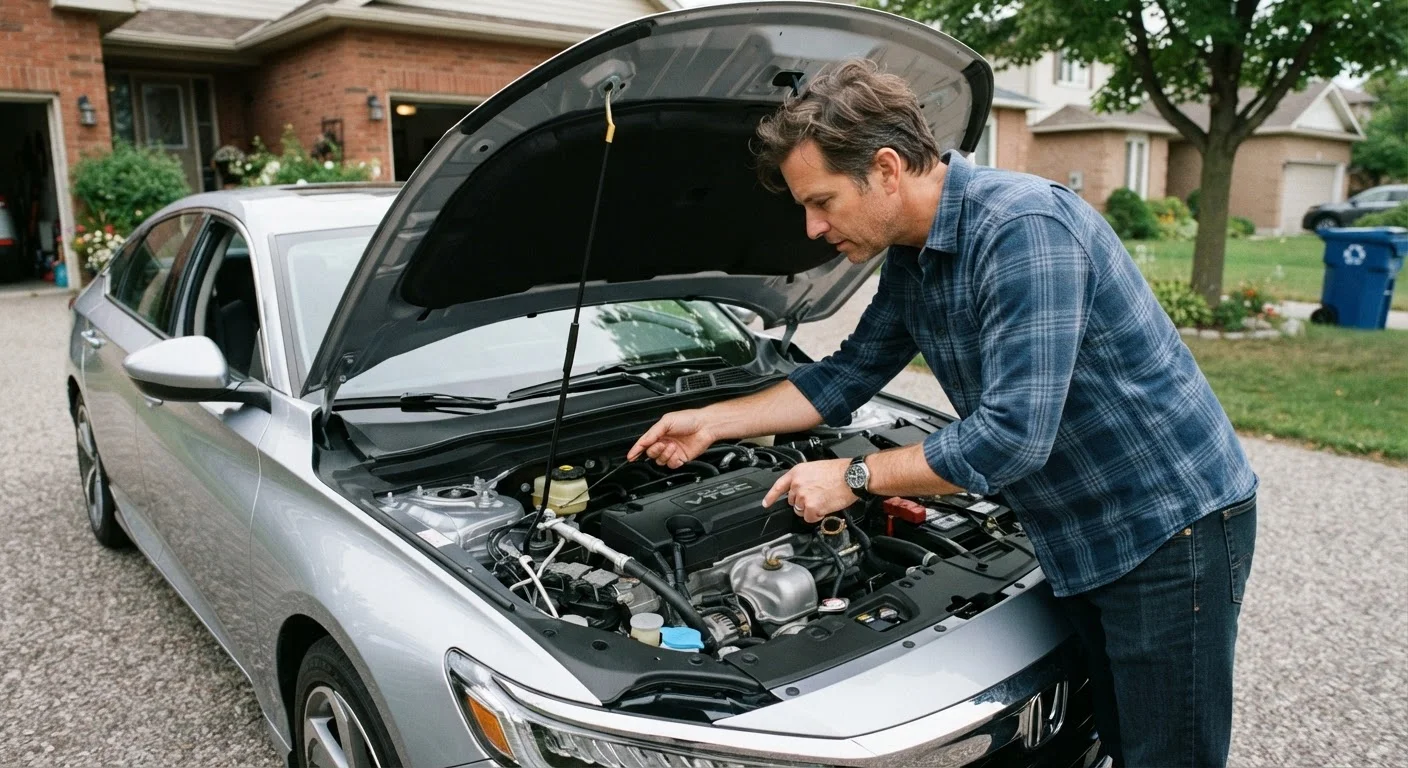
Most fluid level checks are straightforward for a careful non-mechanic with a clean rag and a few minutes. The line between DIY and professional help falls where pressurized systems, sealed reservoirs, or hazardous chemicals enter the picture. Knowing that line keeps both your vehicle and your household budget in better shape.
| Best for | Recommended |
|---|---|
| Families who want to catch problems early without a shop visit | DIY fluid checks (oil, coolant, brake, washer) |
| Owners of newer vehicles with sealed transmission systems | Professional inspection for transmission fluid |
| Anyone unfamiliar with their specific vehicle layout | Owner's manual review before any under-hood work |
| Households doing seasonal vehicle prep | Combined DIY checks plus periodic professional service |
Why fluid checks matter for your budget
Fluids degrade, evaporate, and leak. When they do, the mechanical parts they protect wear faster. A quart of engine oil costs a few dollars. A failed engine can cost several thousand. That gap is why periodic fluid checks are one of the highest-return habits in car ownership, even if you never touch a wrench for anything else.
The good news is that most checks require nothing beyond your eyes, a clean rag, and the owner's manual. For a broader look at why deferred maintenance snowballs into big bills, see why skipping routine maintenance costs more.
Fluid checks a careful non-mechanic can handle
Engine oil. Pull the dipstick, wipe it clean, reinsert fully, pull it again, and read the level against the MIN/MAX marks. Also note the color: fresh oil is amber, old oil turns dark brown or black. Milky or foamy oil can indicate coolant mixing in, which warrants a shop visit. Check the oil when the engine is cold and the car is on level ground.
Coolant (antifreeze). The translucent overflow reservoir has MIN and MAX markings on the outside. You can read the level without opening anything. Do not open the radiator cap on a warm engine; pressurized steam causes burns. If the reservoir looks empty when cold, add the correct coolant type listed in your owner's manual, then have the system inspected for a leak.
Brake fluid. The reservoir sits near the firewall on the driver's side and is also translucent. Read the level through the plastic without opening it. Brake fluid absorbs moisture over time, which lowers its boiling point. If the level is below MIN, a leak or worn brake pads is the usual cause. Either warrants professional attention before you keep driving.
Windshield washer fluid. This is the one fluid you can top off with zero risk. The reservoir cap usually has a washer-spray symbol. Use washer fluid rated for your climate, not plain water, which can freeze or promote mold in the lines.
| Fluid | DIY check possible? | Tools needed | When to call a pro | |
|---|---|---|---|---|
| Engine oil | Yes | Dipstick, clean rag | Milky color, sudden drop in level | |
| Coolant | Yes (cold engine only) | None, read through reservoir | Empty reservoir, frequent top-offs needed | |
| Brake fluid | Yes (visual check) | None, read through reservoir | Level below MIN, spongy pedal | |
| Washer fluid | Yes | None | Rarely needed | |
| Transmission fluid | Sometimes (older vehicles) | Dipstick (if equipped), warm engine | Sealed system, burned smell, shifting issues | |
| A/C refrigerant | No | Specialized equipment required | Always; federally regulated handling |
Fluid checks that are better left to a professional
Transmission fluid. Many older vehicles have a dipstick for this, but a growing number of modern transmissions are sealed from the factory with no accessible dipstick. On vehicles that do have a dipstick, the check procedure requires the engine to be fully warm and running in park on a level surface. The fluid should smell slightly sweet, not burned. Because the process varies so much by vehicle, and because an incorrect transmission fluid type can cause serious damage, this is a check worth having a shop perform if you have any doubt.
Power steering fluid. Many newer vehicles use electric power steering with no fluid reservoir at all. On vehicles that do have hydraulic power steering, the reservoir is small and sometimes hard to locate. More importantly, a low level almost always signals a leak somewhere in the system, and the fix is not a simple top-off. A mechanic can pressure-test the system and find the source.
A/C refrigerant. This is not a fluid you check by eye. Refrigerant is a pressurized gas, and handling it incorrectly is both dangerous and federally regulated in the United States under the Clean Air Act. If your air conditioning is blowing warm, have a certified technician check it. Consumer recharge kits exist, but they can mask underlying leaks and damage compressors if used incorrectly.
When you do decide to bring a vehicle in, understanding the trade-offs between dealer service centers and independent mechanics can help you choose the right shop for the job.
Reading the signs before a warning light appears
Warning lights are a late signal. Fluid problems often give earlier clues. A sweet smell near the front of the car suggests a coolant leak. A burning smell after driving can mean oil is dripping onto a hot exhaust component. A soft or spongy brake pedal, even with an adequate fluid level, can mean air has entered the brake lines. Spots on your driveway or garage floor deserve attention: clear water from the A/C drain is normal, but oily or colored spots are not.
Building a seasonal check habit makes these signs easier to catch. Seasonal vehicle prep is a practical place to fold fluid checks into a broader maintenance routine. And if something you find under the hood contradicts advice you have heard before, common car maintenance myths is worth a read before acting on that advice.
This article provides general educational information about vehicle fluid maintenance. It is not a substitute for advice from a qualified mechanic, and procedures can vary significantly by vehicle make, model, and year. Always consult your owner's manual and, when in doubt, have a professional inspect your vehicle.