

Key Takeaways
Where family road trip budgets actually break down
Most families underestimate a road trip budget not because they miss the big line items, but because small daily costs pile up faster than expected. Fuel, food, and lodging are obvious. The real pressure comes from the combination of convenience spending (gas station snacks, impulse stops, drive-through meals when everyone is tired) and paid attractions that weren't in the original plan.
Understanding where the money actually goes is the first step. For a deeper look at the costs families most often forget before departure, the family travel budget checklist walks through the full picture. If you've never built a road trip budget from scratch, planning your first budget family vacation is a good starting point.
“The family vacation budget usually breaks down in the details: the gas station snack here, the admission fee there, the restaurant because everyone was tired and hungry. Those small decisions are where the money goes.”
— Budget Travel Tips Editorial Team, Value-focused travel writers specializing in family road trip planning
Proven practices for keeping costs down on the road
The families who consistently spend less on road trips aren't doing anything exotic. They plan fuel stops, bring their own food, pick lodging a few miles outside the tourist center, and choose free public lands over paid attractions. None of these require sacrifice when done right.
Map your fuel stops around lower-cost areas before you leave home.
Gas prices vary significantly by state and even by highway exit. Filling up in a rural county rather than a tourist corridor or interstate plaza can save a family $10 to $20 per tank. Over a week-long trip, that adds up without any sacrifice to the route.
Replace at least two paid attraction days with free public land visits.
National forests, Bureau of Land Management areas, and state parks with no entry fee offer swimming holes, hiking trails, and scenic overlooks at no cost. Paid theme parks and tourist attractions are the fastest way to blow a road trip budget in a single afternoon.
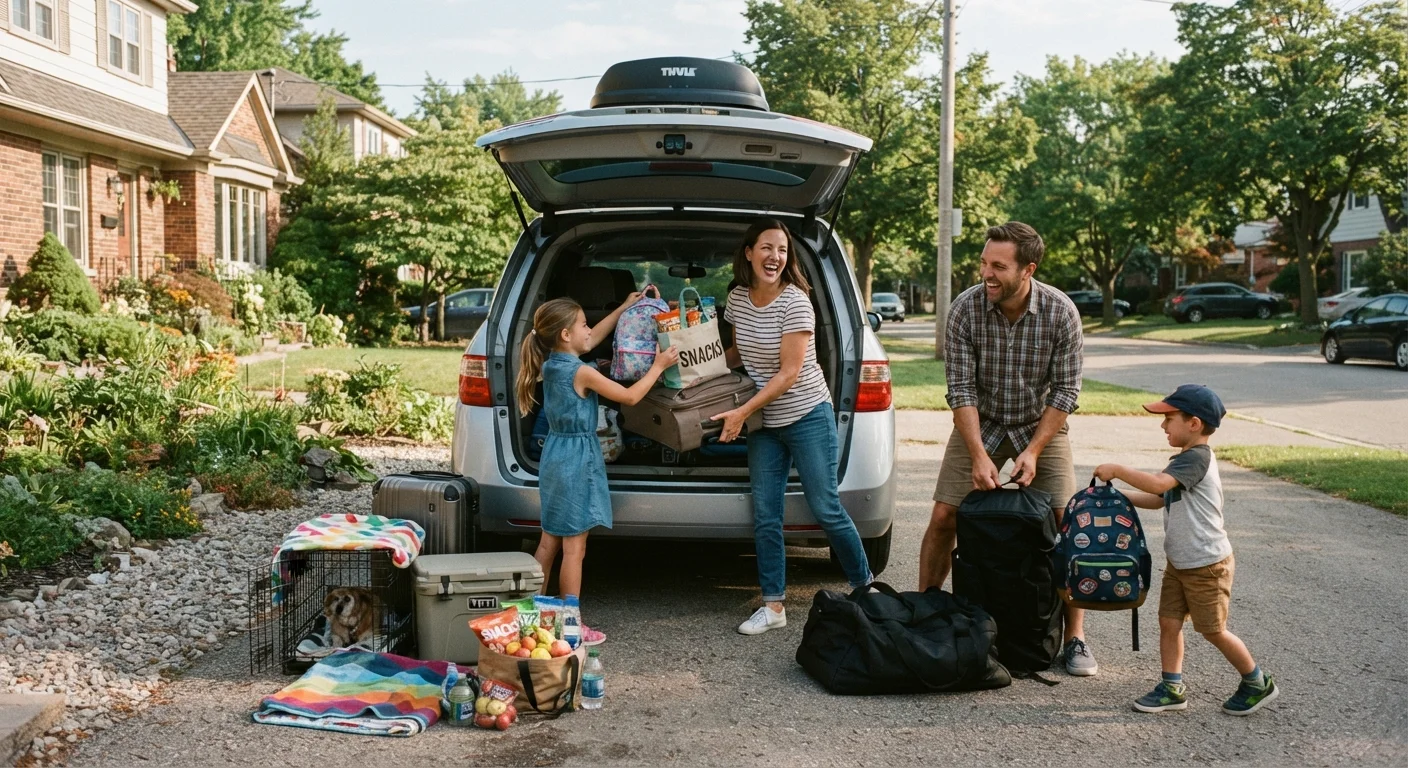
Pack a cooler with prepared meals and snacks for every driving day.
Restaurant meals for a family of four can cost $40 to $80 per sitting, even at casual spots. A well-stocked cooler with sandwiches, cut fruit, and simple snacks cuts that to a fraction, and eliminates the time lost hunting for a place everyone agrees on. See strategies for eating well on the road for meal prep ideas that hold up in a car cooler.
Book lodging in towns just outside popular destinations rather than at the destination itself.
Hotels and vacation rentals at the entrance to a national park or major tourist city carry a premium that can double the nightly rate. A 15-minute drive away typically offers the same beds at a fraction of the price, and sometimes with a kitchen.
Travel during shoulder season whenever school schedules allow.
The weeks just before and after peak summer travel bring lower prices on lodging and fewer crowds at attractions. Even a two-week shift in timing can change the experience and the budget meaningfully. Shoulder season travel works especially well for families with flexible homeschool or year-round school calendars.
Write out a per-day spending limit and check it each evening.
Most family road trip budgets fail not from one big purchase but from small daily overages that compound. A written daily limit with a quick nightly review catches drift before it becomes a problem. The pre-trip budget checklist covers costs families routinely underestimate.
Free and low-cost stops worth planning around
The US has an enormous inventory of free outdoor recreation that most families drive past without stopping. National forests cover more than 190 million acres and include beaches, rivers, trailheads, and picnic areas that charge nothing. Bureau of Land Management land adds tens of millions more acres, much of it accessible by any vehicle.
National parks do charge entry fees, but free entry days exist throughout the calendar year, and the America the Beautiful annual pass covers entrance fees for your entire vehicle at most federal sites. Families who spend several days in national parks should do the math on whether a pass pays off for their specific trip. For a full breakdown of what's free inside the parks themselves, see free and low-cost national park activities families often miss.
Verify conditions before you go
Road conditions, park hours, campground availability, and entry fees change seasonally and sometimes without notice. Always confirm details directly with official park or government websites before your departure date. This is especially true for free entry days at federal lands, which have limited dates each year.
Where to start before the trip leaves the driveway
The decisions made at home, before the car is loaded, shape the entire trip budget. Route planning around cheaper fuel zones, a cooler stocked with two days of food, lodging booked outside the tourist core, and a per-day spending limit written down and checked nightly: these are the moves that separate families who finish a road trip under budget from those who spend the drive home doing damage control.
For lodging, it's worth comparing camping against budget hotels for your specific route. The full cost picture is more complicated than it looks on paper. The camping vs. budget hotels comparison breaks down when each option actually saves more. And if road trip spending connects to broader household budget pressure, the common household budget breakdown points article covers patterns that apply well beyond travel.